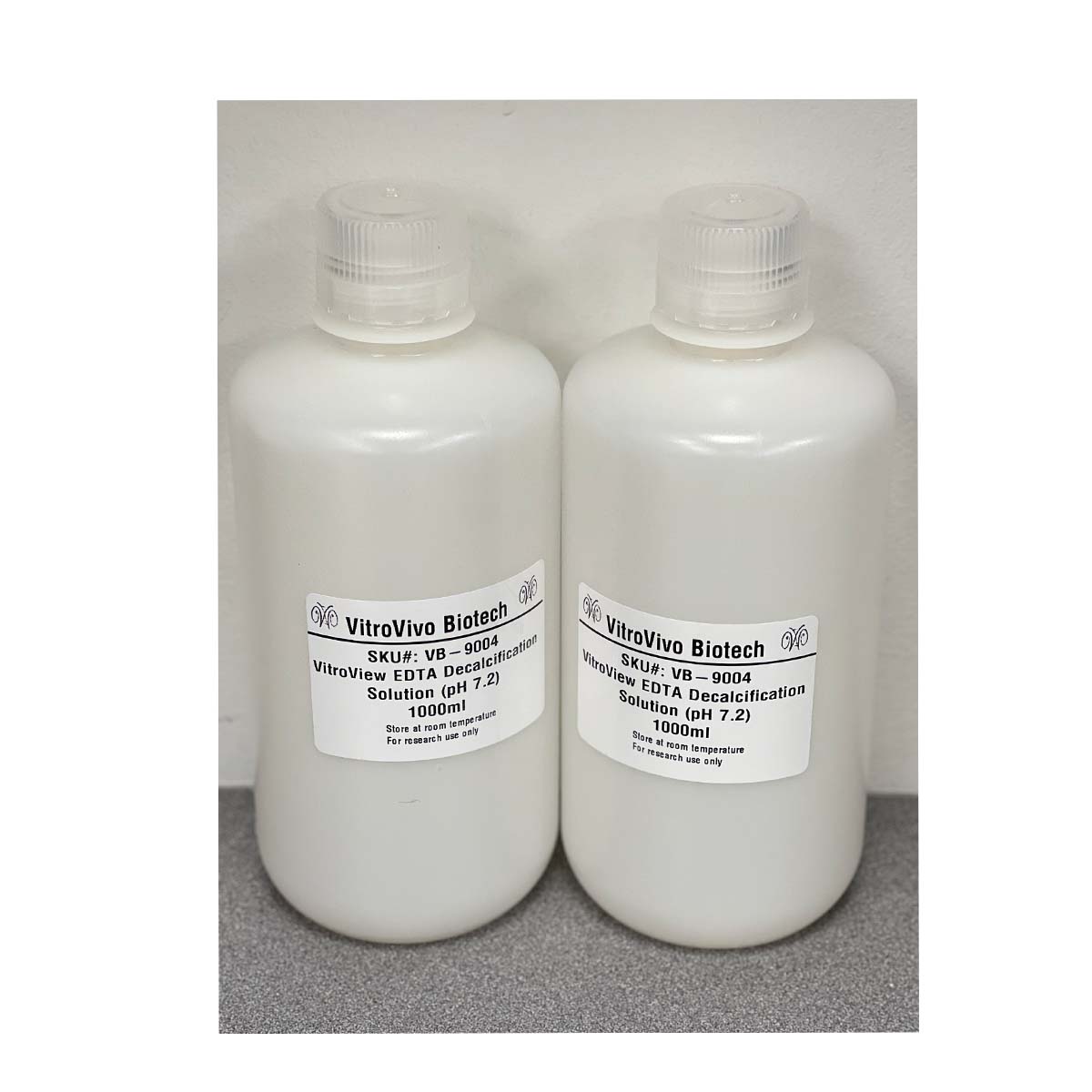
Description
VitroViewTMEDTA Decalcification Solution (pH 7.2) is a gentle, chelation-based reagent designed for the removal of calcium salts from calcified tissue specimens. It is particularly suitable for applications requiring excellent preservation of tissue morphology, cellular detail, antigenicity, and nucleic acids.
Key Advantages
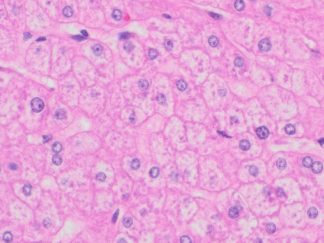
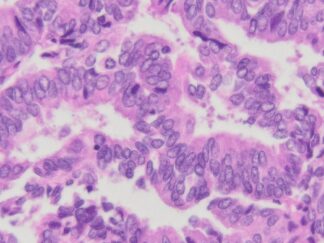
- Excellent preservation of tissue morphology, cellular detail, antigenicity, and nucleic acids.
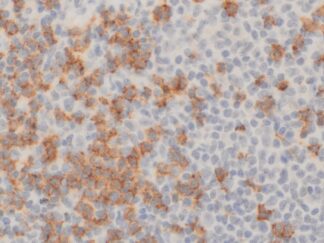
- Better sentitivity for Immunohistochemistry (IHC)
Application
- Routine histology (H&E staining)
- Immunohistochemistry (IHC)
- In situ hybridization
- Molecular assays (DNA/RNA-based applications)
Package Size
1000ml/ bottle, 2 bottles/package
Storage
Product is stable for about 12 months at room temperature.
Sample Preparation and Decalcification Procedure
- Fix tissue thoroughly in 10% neutral buffered formalin (recommended minimum: 24–48 hours).
- Rinse tissue briefly in running water to remove excess fixative.
- Trim specimen to appropriate size to optimize decalcification time.
- Add sufficient Formic Acid Fast Decalcification Solution to fully immerse the tissue.
- Recommended ratio: 15–20 volumes of solution per volume of tissue
- Cover container and label appropriately.
- Incubate at room temperature (18–25 °C).
- Gently agitate periodically to enhance decalcification. Or replace solution periodically (every 24–48 hours) for optimal performance.
Typical Decalcification Time
| Specimen Type | Approximate Time (days) |
| Small bone biopsy | 5-7 |
| Bone marrow core | 4-7 |
| Large bone sections | 6–10 |
| Large bone or Teeth | 10-21 |
Time may vary depending on tissue density and size. Decalcification completion may be assessed by:
- Physical testing: Gently bending or probing tissue
- Chemical testing: Calcium oxalate or ammonium oxalate test
- Radiography: X-ray imaging (recommended for critical specimens)
- Avoid over-decalcification to prevent tissue damage.
Post-Decalcification Treatment
- Remove tissue from EDTA decalcifying solution.
- Wash thoroughly in running tap water or PBS buffer for 30–60 minutes to remove residual acid.
- Proceed with routine tissue processing, embedding, and sectioning.
Quality Considerations
- Overexposure may lead to loss of nuclear staining and antigenicity.
- Validate decalcification times for IHC or molecular assays.
- Maintain consistent specimen size for reproducible results.
Important Notes
- This product is intended for research use only. Not for use in diagnostic or therapeutic procedures in humans or animals.
- Handle reagents with care. Avoid contact with eyes, skin, and clothing.
- Do not ingest.
- Always wear appropriate protective equipment, such as gloves and safety goggles.
- Perform the experiment in chemical hood.
User Manual and Material Safety Data Sheet (MSDS) (PDF )