Description
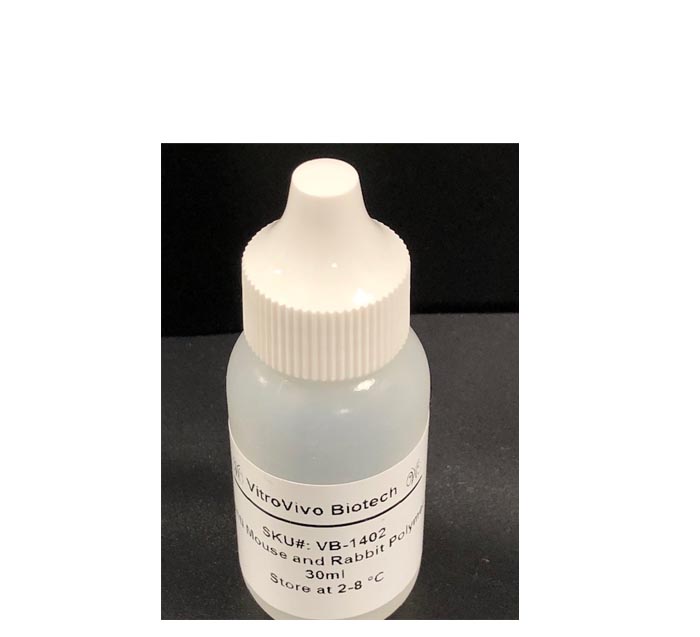
The goat anti-mouse/rabbit IgG polymer HRP secondary antibody is a highly sensitive reagent designed for immunohistochemistry (IHC) and other immunoassays. Utilizing polymer-based technology, it links horseradish peroxidase (HRP) to mouse and raabit IgG antibodies, enhancing signal detection without the need for biotin. This secondary antibody is ideal for detecting mouse primary antibodies in various tissue samples, offering benefits such as low background noise, fewer steps in the staining process, and ready-to-use convenience. It is widely used in research and diagnostic applications to identify and localize specific proteins within tissues.
The VitroView™ Universal Antibody (Goat Anti-Mouse/Rabbit IgG) Polymer HRP employs advanced polymerization technology that links polymerized enzymes to antibodies. This innovative approach is versatile and can be used in immunohistochemistry, immunocytochemistry, in situ hybridization, or ELISAs.
Key Advantages
- Micropolymer technology
- Biotin-Free
- High Sensitivity with low background
- Reduced steps and time
- Ready-to-Use
- Simplified multiple labeling
Specifications
- Physical State: Ready-to-Use (RTU) solution
- Host/Isotype: Goat
- Purification: Affinity Chromatography
- Class & Form: Polyclonal/whole antibody
- Type: Secondary Antibody-micropolymer HRP conjugates
- Target Species: Mouse and rabbit
- Target Class: IgG(H+L)
- Detection Enzyme(s): Peroxidase
Application
Immunohistochemistry, immunocytochemistry, in situ hybridization or ELISAs.
Package Sizes
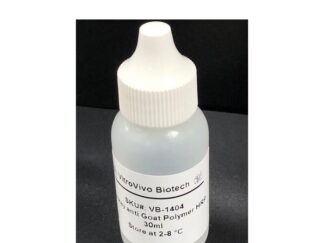
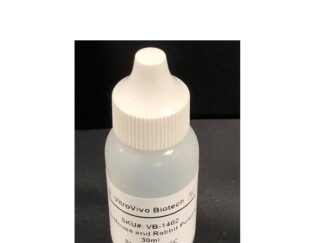
30 ml
Storage
2-8ºC.
User Manual and Material Safety Data Sheet (MSDS) (PDF )
Frequently Asked Questions
Which primary antibodies does this detect?
Primary antibodies made in mouse or rabbit. It is a universal goat anti-mouse/rabbit IgG (H+L) secondary antibody, so the same reagent detects either host species.
How does the polymer HRP technology work?
It uses polymer-based technology to link horseradish peroxidase (HRP) to mouse and rabbit IgG antibodies, enhancing signal detection without the need for biotin. Advanced polymerization technology links polymerized enzymes to antibodies.
What are its key advantages?
Micropolymer technology, biotin-free, high sensitivity with low background, reduced steps and time, ready-to-use, and simplified multiple labeling.
What applications can I use it for?
Immunohistochemistry, immunocytochemistry, in situ hybridization, or ELISAs.
What are its specifications?
A ready-to-use (RTU) solution; host goat; purified by affinity chromatography; polyclonal whole antibody; secondary antibody–micropolymer HRP conjugate; target species mouse and rabbit; target class IgG (H+L); detection enzyme peroxidase.
What size is it, and how should I store it?
Supplied as a 30 ml ready-to-use solution. Store at 2–8 °C.